
What Should You Know Before Installing a Gas Fireplace?
Posted in Gas Fireplace Installation, on September 22, 2026
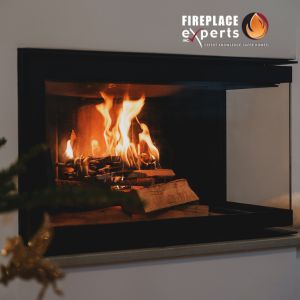
Before scheduling a gas fireplace installation, homeowners should consider the unit's location, venting route, required clearances, heat output, electrical needs, and finishing work. A gas fireplace installation is not simply a matter of choosing an appliance that fits the available opening. At Fireplace Experts, we assess the proposed space and installation requirements before helping homeowners plan the project. Permits, inspections, and licensed-trade requirements depend on the final scope and should be confirmed before construction begins. If you're not sure whether you need a gas fireplace repair or full replacement, contact our TSSA-certified team today.
Choose the Location Carefully
The fireplace location affects more than the room's appearance. It can influence venting options, gas-line routing, electrical access, furniture placement, television positioning, and how heat is distributed.
An exterior wall may provide a practical venting route for some direct-vent models, but the appropriate location depends on the appliance specifications and property. Existing fireplaces may offer another installation pathway, although the chimney, opening, and surrounding structure must still be evaluated.
Homeowners should also consider daily use. A fireplace can serve as a focal point, but the room still needs comfortable walking paths, seating arrangements, and access for future service.
Understand the Venting Requirements
Gas fireplaces are available in different configurations, and their venting requirements are not interchangeable. Some models vent horizontally through an exterior wall, while others use a vertical route or an existing approved chimney configuration.
The selected vent must comply with the fireplace manufacturer's instructions. Its route may be affected by framing, windows, doors, soffits, decks, neighbouring structures, and required termination clearances.
A decorative chimney or existing fireplace opening does not automatically mean that it can support the new appliance. The complete venting path should be reviewed as part of the installation plan.
Our article on whether gas fireplace installation requires a chimney explains why the answer depends on the type of unit selected.
Confirm the Gas Supply
A licensed gas technician should determine whether the existing gas supply can support the new fireplace alongside the property's other gas appliances. The assessment may consider the fireplace input requirements, pipe size, distance, pressure, and total connected load.
If a suitable gas line is not already available at the proposed location, new piping may need to be installed. Routing can affect the project scope, particularly in finished areas where access is limited.
Gas connections should never be improvised or completed as do-it-yourself work. They must be installed and tested by an appropriately licensed professional.
Review Clearances Before Designing the Surround
Each fireplace model has requirements governing its distance from combustible materials. These clearances affect framing, mantels, built-ins, televisions, shelving, flooring, and finish materials.
The appliance should therefore be selected before the finished surround is designed. Building the decorative structure first can create conflicts if the selected fireplace requires different opening dimensions, ventilation space, or mantel clearances.
At Fireplace Experts, we review the appliance specifications as part of the gas fireplace installation process. This helps ensure that the visible design does not interfere with safe operation or service access.
Select Appropriate Heat Output
A larger fireplace is not automatically the best option. The appropriate heat output depends on the room's size, layout, insulation, ceiling height, glazing, and how the homeowner intends to use the appliance.
A unit that produces more heat than the room needs may make the space uncomfortable. One that is undersized may not meet the homeowner's expectations. Flame appearance, control options, and intended use should be considered alongside output.
The fireplace should be selected for the actual room rather than based only on showroom appearance or exterior dimensions.
Account for Electrical and Finishing Work
Many gas fireplaces require electrical power for controls, fans, ignition systems, lighting, or accessories. Electrical requirements should be coordinated before walls and finishes are closed.
The full project may also involve:
- Framing
- Drywall or cement board
- Tile, stone, brick, or stucco
- Mantel installation
- Painting
- Flooring transitions
- Custom cabinetry or built-ins
Clarifying who is responsible for each part of the project helps prevent gaps between the appliance installation and the finished room.
Confirm Permits and Inspection Requirements
Requirements vary according to the fireplace, gas work, venting, structural changes, and property. Homeowners should not assume that a project definitely requires no permit or that every installation follows an identical approval process.
The contractor should explain which parts of the project fall within their scope and which require another trade or municipal confirmation. Gas work must be completed by an appropriately licensed technician.
Fireplace Experts is a TSSA-certified fireplace service provider, and our gas fireplace work is completed by licensed technicians.
Arrange Professional Fireplace Installation
Professional installation helps ensure that the appliance, gas supply, venting, clearances, controls, and finishing plan are coordinated correctly. It also creates an opportunity to review operation and maintenance requirements for the selected unit.
Before installation day, confirm the appliance model, final location, access route, trade responsibilities, permit requirements, and surrounding finish design. Our guide to what to expect during a gas fireplace installation provides additional preparation information.
At Fireplace Experts, we help homeowners evaluate these details before installation begins. Contact our team to arrange an assessment and discuss the appropriate location, fireplace type, venting strategy, and project scope for your Toronto home.