
Can You Replace a Wood-Burning Fireplace With a Gas Fireplace?
Posted in Gas Fireplace Repair, on October 21, 2026
Yes, many wood-burning fireplaces can be converted to gas, typically by installing a suitable gas insert into a suitable existing fireplace. However, the condition of the firebox, chimney, venting system, and available gas supply determines whether conversion is possible. A professional gas fireplace installation assessment helps identify these requirements before work begins. At Fireplace Experts, we help homeowners evaluate fireplace conversions and provide fireplace repair in Richmond Hill for existing gas systems.
Can You Install a Gas Insert Into an Existing Fireplace?
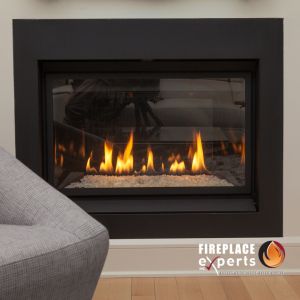 A gas insert is often the most practical option for converting a masonry wood-burning fireplace. These self-contained appliances fit inside a suitable existing firebox and connect to an approved gas supply and venting system.
This approach may allow homeowners to preserve their existing mantel, brickwork, or stone surround while eliminating the need to store firewood, remove ashes, and build fires manually.
However, not every fireplace can accommodate an insert. The opening must meet the selected model's dimensional and clearance requirements.
Factory-built wood-burning fireplaces require particular attention because the original manufacturer's instructions may restrict which gas appliances can be installed.
What Determines Whether Conversion Is Possible?
Several factors influence the feasibility and scope of the project.
Condition of the Existing Fireplace
Cracked masonry, deteriorating firebox materials, water damage, or structural problems may require attention before conversion.
Homeowners can look for visible cracks, loose bricks, water staining, or damaged surrounding materials. However, a professional assessment is necessary to determine whether the fireplace can safely accommodate a gas appliance.
Chimney and Venting Requirements
A gas insert requires an approved venting arrangement. Many models use dedicated vent liners installed through the existing chimney.
The chimney's condition, dimensions, and configuration can affect the available installation options.
An existing wood-burning chimney should not automatically be considered suitable for a gas appliance without assessment.
Gas Line Availability
The fireplace must have access to an appropriately sized gas supply.
If a gas line is not already present, new piping may be necessary. The location of existing gas connections, finished walls, and other appliances can influence the installation work.
Gas connections and pressure testing must be completed by appropriately qualified professionals.
Gas Insert vs. New Gas Fireplace
The best choice depends on the existing fireplace and the homeowner's renovation goals.
A gas insert is generally suitable when the existing masonry fireplace is in acceptable condition and the homeowner wants to retain much of its original appearance.
A new built-in gas fireplace may be preferable when the existing opening is unsuitable, the fireplace structure needs major changes, or the homeowner wants a contemporary design with different dimensions.
For example, replacing a traditional brick fireplace with a wide linear gas fireplace may require new framing, venting, and finishing materials rather than a straightforward insert installation.
At Fireplace Experts, we assess the existing setup before recommending an installation approach.
Do You Need to Remove the Existing Chimney?
Not necessarily.
With a suitable gas insert, the existing chimney may remain in place and provide a route for the appliance's approved venting system.
However, the original wood-burning flue is not automatically appropriate for the new unit. Dedicated liners or other approved venting components may be required.
Some new gas fireplace installations use different venting arrangements, potentially through an exterior wall or roof, depending on the appliance and property.
The venting design should always follow the selected manufacturer's specifications.
How Much Work Is Involved in Converting to Gas?
The installation process depends on the existing fireplace and the changes required.
A relatively straightforward conversion may involve preparing the firebox, installing approved venting components, connecting the gas supply, positioning the insert, and testing its operation.
More complex projects may require masonry repairs, new gas piping, electrical work, or modifications to the surrounding finishes.
Before installation, homeowners should clarify which services are included and whether additional trades, permits, or inspections are necessary.
Is Converting a Wood Fireplace to Gas Worth It?
For many homeowners, convenience is the primary benefit.
Gas fireplaces provide heat and flame without the ongoing work of carrying firewood, tending a wood fire, or cleaning out ashes. Depending on the model, they may also offer remote controls, adjustable flames, and thermostat operation.
However, the conversion cost varies based on the appliance, existing fireplace condition, gas piping, and venting requirements.
A fireplace requiring extensive repairs may involve significantly more work than one with a suitable firebox and accessible gas supply.
Gas fireplaces also require ongoing maintenance to keep their components operating safely and efficiently.
Can You Convert a Wood-Burning Fireplace Yourself?
Gas fireplace conversions should be performed by qualified professionals.
The work involves combustion safety, gas connections, venting, and appliance clearances. Improper installation can create fire, gas leak, or carbon monoxide hazards.
Homeowners can prepare by photographing the existing fireplace, locating any manufacturer information, and deciding which design features they prefer.
However, gas piping, vent modifications, appliance connections, and final testing should be left to qualified technicians.
Professional Fireplace Conversion in Richmond Hill
Replacing a wood-burning fireplace with gas can be a practical upgrade when the existing structure and installation conditions are suitable.
At Fireplace Experts, our licensed, TSSA-certified technicians assess fireplace systems, installation requirements, and potential safety concerns. We also provide fireplace repair in Richmond Hill for homeowners experiencing problems with existing gas fireplaces.
If you're considering gas fireplace installation, contact Fireplace Experts at 416-897-5643 to discuss your conversion options and arrange a professional assessment.