
What Causes Your Pilot Light to Break?
Posted in Gas Fireplace Repair, on December 02, 2025
A gas fireplace is amongst those home comforts you hardly notice when it works and instantly miss the moment it doesn’t. And that little pilot light is the initial spark for your gas fireplace. It also keeps your system responsive and safe. A damaged or malfunctioning pilot light can leave your fireplace and cozy evening plans cold. A stubborn pilot light that sputters or refuses to light could be because of the causes listed below. A lack of essential fireplace service could also be the culprit. Call the Fireplace Experts for your service or fireplace repair in Toronto. Meanwhile, read on to understand what is happening behind the scenes when your pilot light breaks and the steps to take next.
1) Dirty or Blocked Pilot Light Assembly
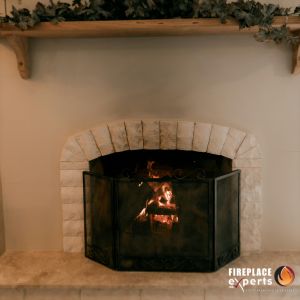 While your gas fireplace sparkles on the outside, it tends to face an onslaught of combustion byproducts. Dust and tiny debris/soot particles tend to settle around the pilot light opening. This blocks the pilot tube and restricts the gas flow needed for a steady pilot flame. Carbon buildup in the pilot assembly can also weaken the flame or cause inconsistent ignition.
Cleaning the tube and pilot opening can restore gas flow, but one must be careful. If you’re unsure, leave this task to a trained technician who provides servicing and fireplace repair in Toronto. Proper pilot light cleaning restores smooth gas flow for a strong and stable flame.
2) Thermocouple/Thermopile Trouble
Your gas fireplace’s thermocouple and thermopile quietly work to keep your system safe. It’s the thermocouple’s job to sense the pilot flame. When it cannot detect heat from the pilot flame, it shuts off the fireplace fuel supply to prevent leaks. The gas thermopile is responsible for ignition. It generates the small electrical current needed to power the fireplace’s ignition system.
Loose or damaged connectors can interrupt the safety circuit. The pilot may light but fail to stay on. The thermopile could also be losing power output due to wear or corrosion. Check both and replace them to keep your pilot lit. Regular fireplace service ensures that these critical parts are checked and replaced when damaged.
3) Gas Supply Setbacks
Sometimes, pilot light issues come from low gas pressure that causes the pilot to extinguish. A partially closed valve can block gas from reaching the pilot altogether. Air can also enter the gas line if your fireplace has been sitting unused for months. Air pockets interrupt the flow of fuel to prevent the pilot from igniting.
Bleeding the line will clear the trapped air, but this should be handled by a licensed gas fireplace service professional. You can also follow the exact instructions in your fireplace manual; however, a trained hand is always safer for gas issues. Gas line blockages can also be due to a malfunctioning regulator or debris. Don’t troubleshoot in this case—contact a trusted fireplace technician right away!
4) How Drafts Can Snuff Out Your Pilot Light
Strong drafts can also snuff the pilot flame if your fireplace sits near a window or door. Excess moisture or room humidity can also corrode the ignition components. Venting problems are another reason behind blocked airflow; it can weaken the flame before it even gets going!
Stay Warm & Safe with Fireplace Experts
A gas pilot light can fail for many reasons. A blocked pilot light assembly, gas supply problems, or component issues may all be the culprit. What matters most is keeping your home safe and restoring fireplace warmth. Routine fireplace service prevents recurring issues, including pilot light trouble. Contact a certified gas fireplace technician if your fireplace refuses to cooperate! The Fireplace Experts team will fix all your fireplace issues safely. Stay warm and enjoy the peace that comes with a pilot flame that lights every time. Book our fireplace repair in Toronto today!